Hawai‘i is often imagined as a tropical paradise, however this visual conceals its complex history, which is deeply rooted in colonialism, labor exploitation, and environmental disruption. The foundational structure of modern Hawai‘i was significantly shaped by the rise of plantation agriculture throughout the nineteenth and twentieth centuries, with sugar and pineapple becoming central economic drivers. Fueled by foreign capital and political influence, plantation elites consolidated land, diverted vital water resources, and integrated the islands into global commerce. While this era generated vast wealth for corporate interests, it simultaneously undermined Native Hawaiian systems of land management and diminished Hawaiian political sovereignty.
This plantation system also radically altered Hawai‘i’s demographics and culture by importing laborers from Asia, Europe, and Latin America. Workers were brought in to meet the extensive labor demands of the sugar and pineapple industries, often enduring harsh and inequitable conditions. Their arrival was instrumental in forging the multicultural society Hawai‘i is known for today, yet it also reflected a rigid structure of racial hierarchy and corporate control. Concurrently, plantation companies cultivated and promoted romanticized portrayals of Hawai‘i that later fueled the tourism sector, effectively obscuring the harsh realities of exploitation behind a veneer of paradise. Though large-scale plantations have largely vanished, their enduring influence is manifest in issues such as concentrated land ownership, environmental degradation, increased wildfire vulnerability, and persistent struggles for Native Hawaiian rights. Therefore, the history of plantations continues to profoundly shape the islands long after the collapse of the plantation economy.
The Political Colonialism of the Planting
Sugar and pineapple plantations are fundamentally connected to the overthrow of the Hawaiian Kingdom and the subsequent shift of political power toward American business interests. On January 17, 1893, Queen Liliʻuokalani was overthrown in a coup d’etat led by the Committee of Safety. The sugar industry played a central role in the overthrow and subsequent annexation of Hawaiʻi.
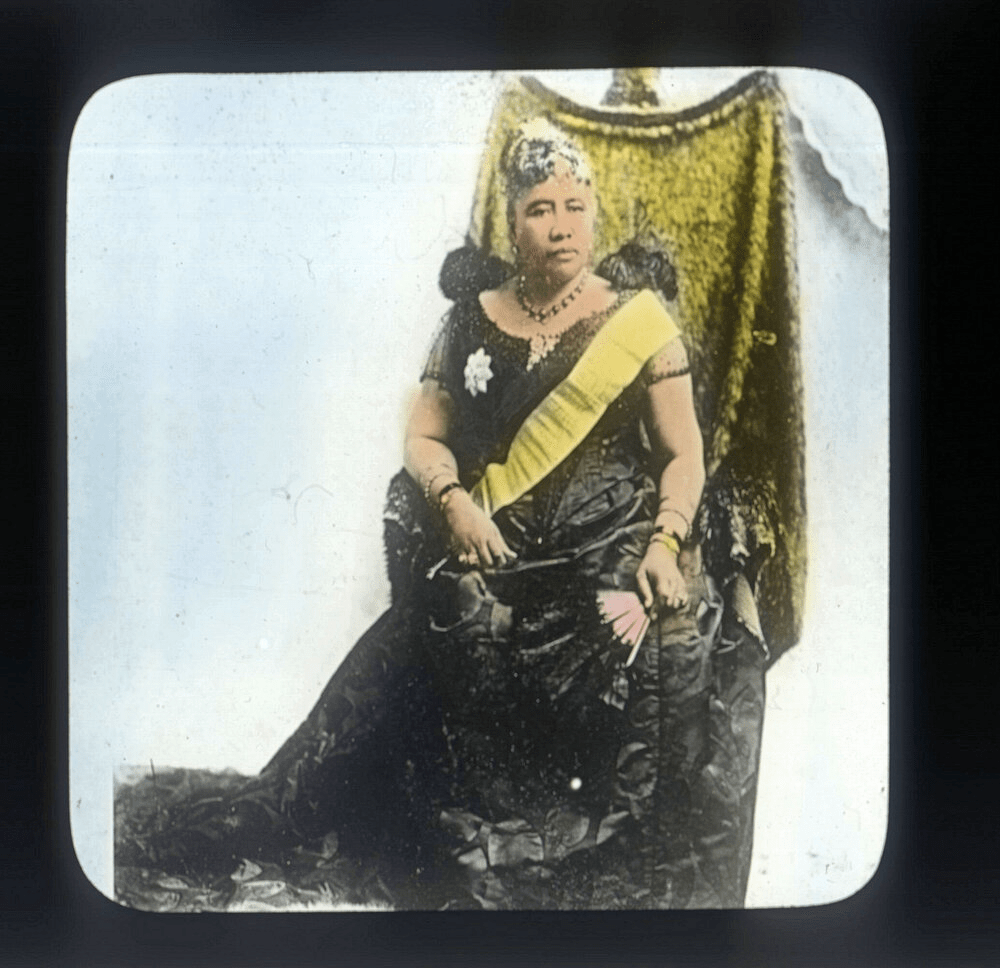
Fig. 1 Lantern Slide of Queen Liliʻuokalani; UHM Library Digital Collections, c. 1940
Following the American Civil War, the global market prices for sugar plummeted. For sugar planters in Hawaiʻi, this price collapse posed a significant threat to their economic viability because they lacked the protected market status enjoyed by American domestic producers. As a result, they lobbied for the Hawaiian kingdom and American government to sign a free trade agreement, resulting in the Reciprocity Treaty of 1875. This treaty led to massive growth in Hawaiʻi’s plantation industry by abolishing tariffs on sugar and other Hawaiian products entering the United States, granting Hawaiian sugar duty-free access to the lucrative American market (MacLennan 31). At the same time, land ownership and political rights were becoming tenuous. The increased economic power of planters and business elites reached a critical point when King Kalākaua was coerced into signing the Bayonet Constitution of 1887. This document was largely drafted and forced upon the king by a small group of mostly American and European business owners, lawyers, and missionaries. It greatly reduced the political power of the Hawaiian monarchy, limited the suffrage of Hawaiians to wealthy property owners, and expanded the rights of foreign residents (74).
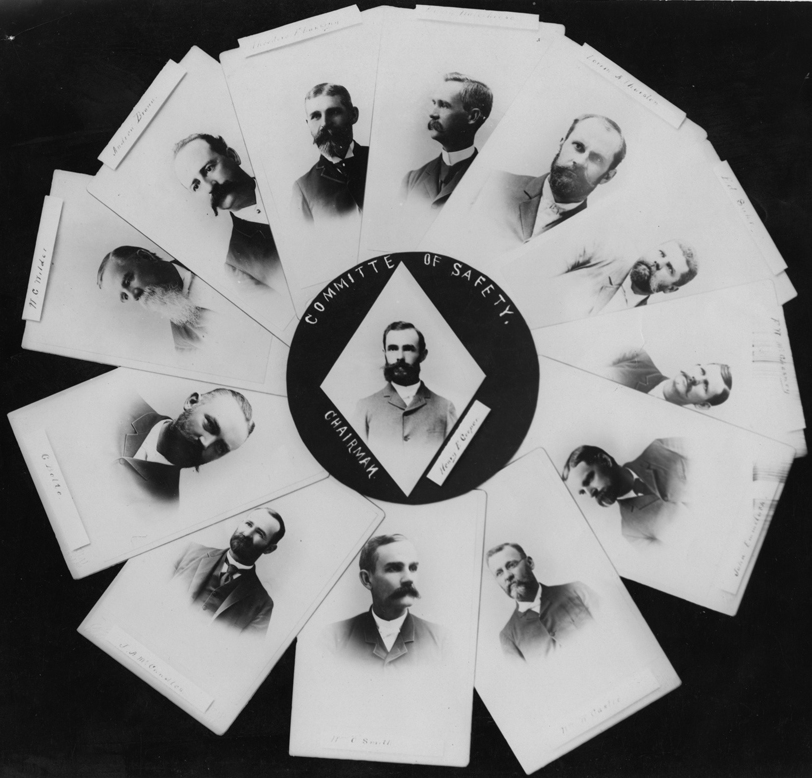
Fig 2. Committee of Safety members; Hawaii State Archives, c. 1893
The prosperity of plantations, brought on by the Reciprocity Treaty and Bayonet Constitution, led to an increase in political activity by American and European planters, businessmen, and missionaries. As they consolidated both political and economic power, they became convinced that continued expansion and stability of the sugar industry required the formal annexation of the Hawaiʻi by the United States, leading to the eventual overthrow of Queen Liliʻuokalani in 1893 (73).
The legacy of Hawaiʻi’s colonization continues to shape its contemporary social, political, and economic landscape. Today, the descendants of former plantation owners and large businessmen often still enjoy political and economic influence within the state. This generational wealth and power concentration stems directly from historical land seizures and the exploitation of labor, creating a persistent socioeconomic stratification that favors those with ties to the post-monarchy power structures.
This historical trauma manifests in a complex and ongoing debate within the Native Hawaiian community concerning the question of sovereignty. There remains a significant divide, with some groups vehemently demanding that Hawaiʻi regain its full independence as a sovereign nation, arguing that the overthrow was an illegal act and that self-determination is a fundamental right. These proponents of independence often cite international law and the historical injustices committed against the Lāhui (the Hawaiian nation and people). Other groups of the community believe that the islands are now too deeply entangled with the complex political and economic structures of the United States to effectively leave the country. They may advocate for different forms of self-governance, such as federal recognition, a nation-within-a-nation model, or increased autonomy under a revised relationship with the United States government, but ultimately view full secession as an impractical or potentially destabilizing goal in the modern era. This internal debate reflects the deep, multifaceted impact of over a century of U.S. influence, posing profound questions about identity, justice, and the future political status of the Hawaiian Islands.
Plantation Labor and Social Restructuring
The success of Hawaiʻi’s plantation economy is intrinsically linked to the labor system built through immigrant workers and rigid racial hierarchies. As plantation agriculture grew, so did the demand for cheap labor, resulting in the importation of laborers from China, Japan, Portugal, the Philippines, and Korea. These successive waves of immigration fundamentally reshaped the islands’ demographic and social landscape.
The racial structuring of plantations has resulted in modern racial divisions, particularly amongst the older generations.To maintain control and prevent labor solidarity, plantation owners often practiced a policy of racial segregation, housing workers in separate, ethnically-defined “camps”. This segregation was coupled with an engineered system of wage and occupational competition, creating a racial hierarchy and feelings of resentment amongst workers, with Americans and Europeans, excluding Portuguese laborers, consistently earning the most (La Croix and Fishbach 9). By the 1920s, a pattern of skilled labor racial hierarchy had clearly formed, with haole, or non-Iberian White, capitalists and plantation management, holding ownership and ultimate control over land and profit. Conversely, workers of Filipino and Pacific Islander descent were frequently relegated to the most strenuous and lowest-paying field labor positions, occupying the effective bottom of this hierarchy (Jung 79). Furthermore, the unique history of immigration and labor in Hawaiʻi has resulted in a local context where broader racial categories, such as “Asian” or “Asian-American,” often hold significantly less social and political weight than they do in the continental United States (Jung 82). The experience of Japanese, Chinese, Filipino, and Korean immigrants was distinct in terms of timing, labor position, and economic integration, leading to separate ethnic identities. Consequently, there is a greater emphasis placed on specific ethnic heritage, familial lineage, and cultural upbringing than on the pan-ethnic “Asian-American” identity, which reflects the persistent legacy of the plantation’s attempt to define and divide its labor force by national origin.
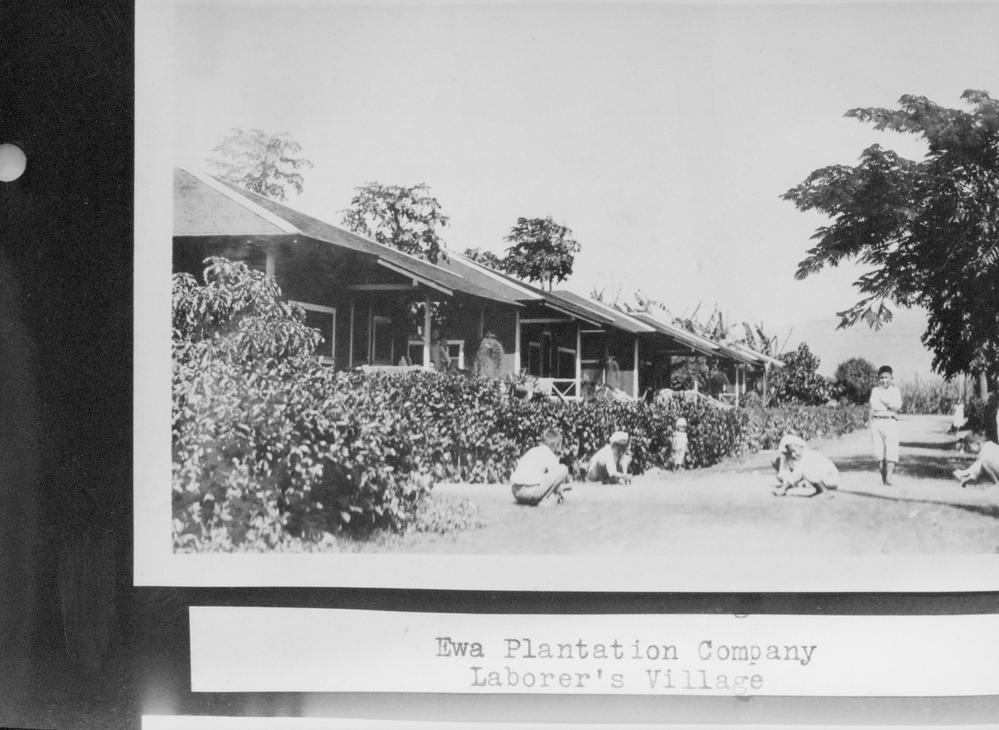
Fig. 3 Filipino Laborer’s Village for the Ewa Plantation Company; UHM Library Digital Archives, c. Sept-Oct 1926
Despite the rigid hierarchy and historic racial and ethnic divisions enforced on plantations, they also provided avenues for multicultural exchange, resulting in Hawaiʻi’s unique local culture. This blending occurred as diverse groups of laborers from around the world, including Native Hawaiians, Chinese, Japanese, Portuguese, Filipino, Korean, and Puerto Rican immigrants, were brought together in close proximity, both in the fields and in the plantation camps. As plantations closed, the communities formed by the workers remained (Wilcox 23).
Hawaiian pidgin, formally known as Hawaiʻi Creole English (HCE), serves as an obvious example of the effects of these cultural interactions. Pidgin originated on plantations as a way for laborers of different ethnicities to communicate with each other and overcome language barriers. As Hawaiʻi became more Westernized and American and European planters gained more political power, the Hawaiian language began to decline. Over time, Hawaiian pidgin shifted from being Hawaiian-based to English-based (Day 194). Consequently, Pidgin developed not as a simple, broken form of English, but as a dynamic and complex linguistic system. Pidgin incorporates vocabulary, phonetic elements, and grammatical structures drawn from the many languages spoken by the laborers. Today, it serves not just as a casual dialect but as a powerful marker of local identity
Packaging Paradise
The rise of plantations in Hawaiʻi was instrumental in forging a commercialized image of the islands that later fueled the state’s massive tourism industry. Agricultural corporations promoted Hawai‘i to mainland Americans as a tropical paradise defined by sunshine, hospitality, and abundance. Advertising for sugar and pineapple products often featured beaches, palm trees, smiling workers, and romanticized portrayals of Hawaiian culture. More importantly, this deliberate commercialization served to sanitize the reality of plantation life. By emphasizing a paradise aesthetic, large corporations successfully redirected consumer attention away from the harsh political struggles that led to the overthrow of the Hawaiian monarchy and the systemic labor exploitation of Native Hawaiian and immigrant workers. The success of this sustained and pervasive advertising campaign laid the groundwork that allowed for the subsequent development of a major new economic sector centered on tourism and hospitality.
The appropriation of Native Hawaiian culture has effectively dehumanized the long-lasting negative impact of colonial projects and plantation exploitation. This cultural commodification transforms the Hawaiian identity into a spectacle, where it is aggressively marketed to the global consumer as inherently exotic and erotic, creating an international fetishization of both the islands and its inhabitants (Trask 27). This pervasive industry structure places an unsustainable burden on Native Hawaiians and long-time local residents, leaving them to demand a more robust economy that does not rely on the commodification of their homes. Similarly to Indigenous Americans on the mainland United States, Native Hawaiians suffer from high unemployment, low educational opportunities, institutionalized racism, and health disparities (23). Native Hawaiians are also transformed into the noble savage, or “ideal natives,” that are beautiful and sexual, but also laid-back and harmless (Desmond 1999).
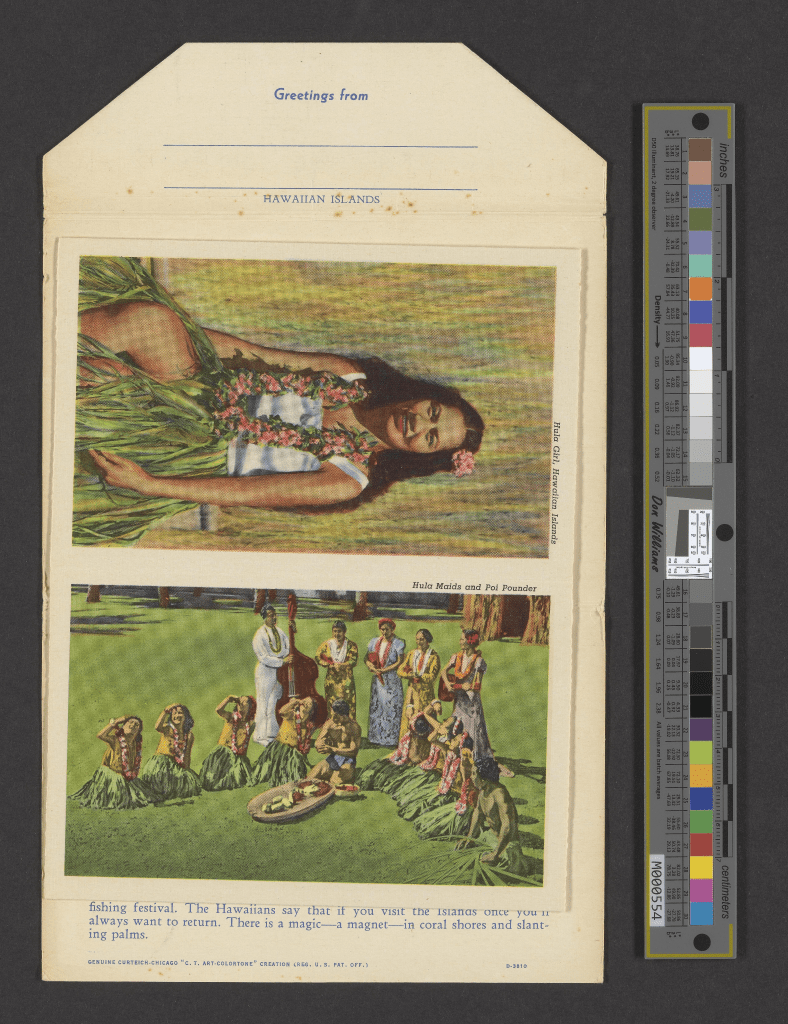
Fig 4. Postcard of hula dancers; Hawaii State Archives
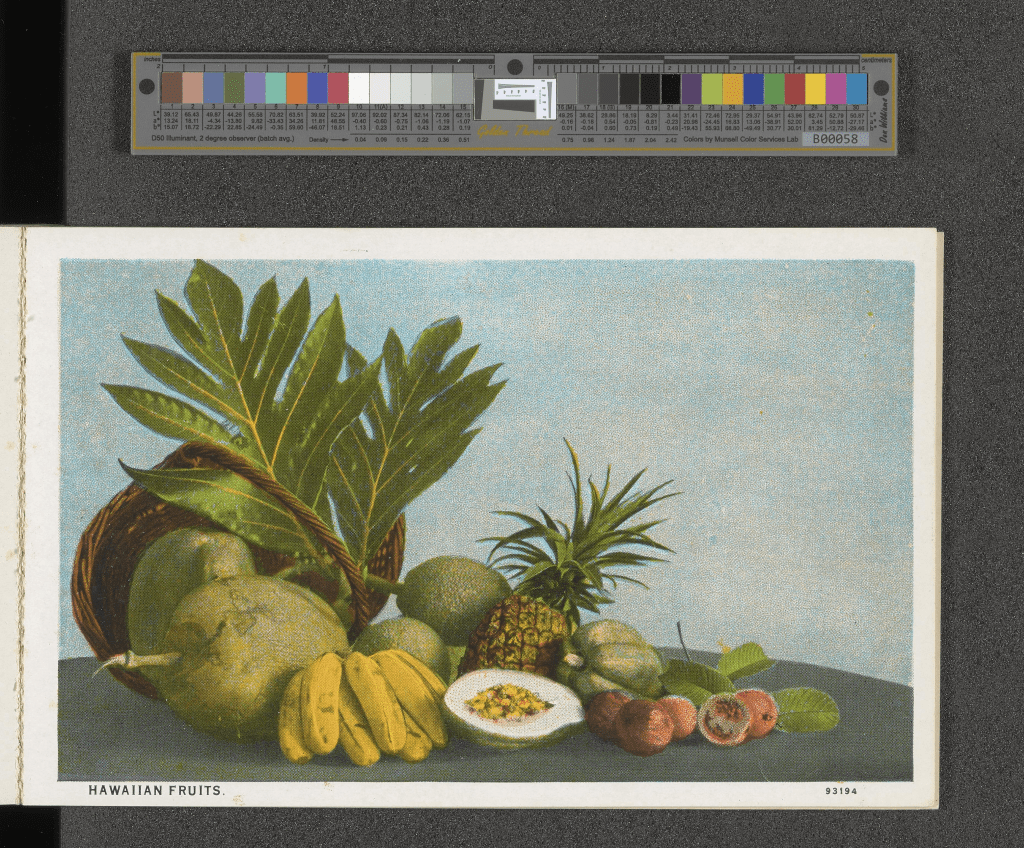
Fig 5. Postcard of fruits; Hawaii State Archives, c. 1980
For many Native Hawaiian families, the pursuit of financial stability and basic economic survival becomes the immediate, overwhelming priority. Consequently, the critical, long-term political and social demand for the deconstruction and fundamental reform of the tourism industry is forcibly relegated to a secondary concern, a luxury they often cannot afford until their most basic financial needs are met. This economic pressure functions as a contemporary form of cultural subjugation, forcing the community to prioritize the very system that perpetuates their cultural and economic marginalization.
Legacies Left in the Earth
Plantation agriculture not only reshaped the social and cultural landscape of the islands, but the very physical and ecological structure of the land itself. Prior to the large-scale introduction of sugar and pineapple monoculture, the islands were characterized by diverse, endemic ecosystems and sustainable indigenous farming practices, such as the ahupuaʻa system, which managed resources from the mountain to the sea (MacLennan 46). The shift to Western plantations necessitated the systematic destruction of native forests to make room for large-scale monoculture farming (41).
The environmental damage extended far beyond simple land clearing. The infrastructure required to support the burgeoning sugar industry placed an immense strain on natural resources, particularly water and timber. Sugar mills required large amounts of firewood to fuel boilers and power the processing of sugarcane, leading to rapid local deforestation (142). To irrigate the expansive sugarcane fields in drier leeward areas, elaborate systems of ditches, tunnels, and flumes were constructed. By 1920, approximately 800 million gallons of surface water was being diverted from streams and rivers, and an additional 400 million gallons of groundwater was being pumped from underground aquifers (Wilcox 20).
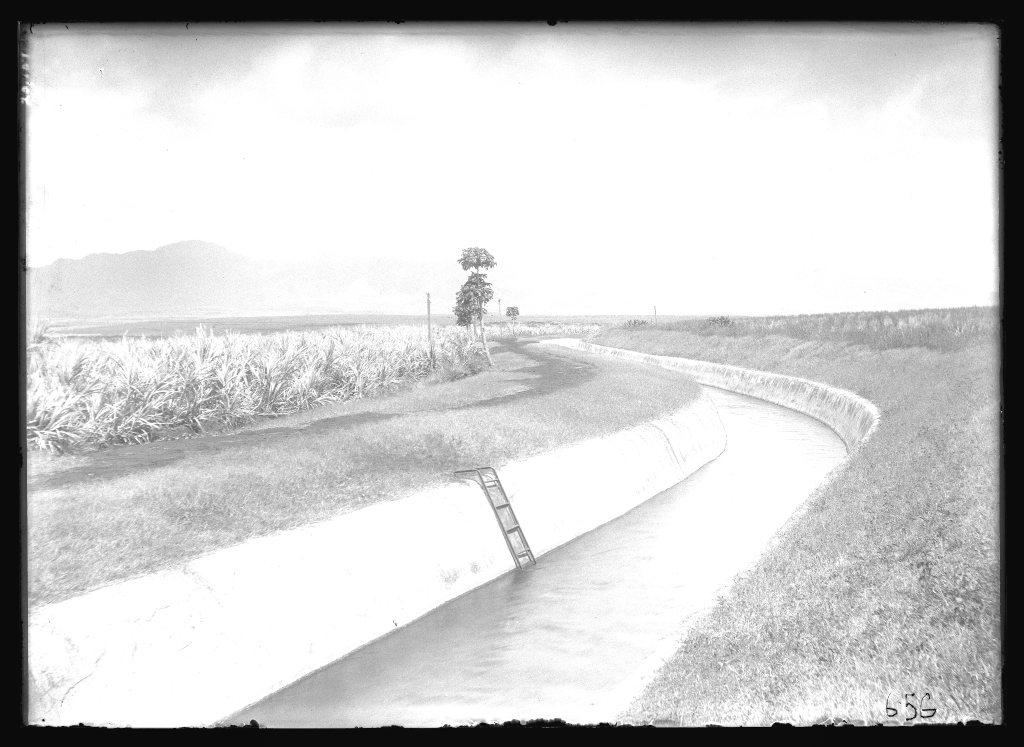
Fig. 6 Sugarcane field and irrigation paths; Hawaii State Archives
The diversion of these large amounts of water devastated native and local communities, and has long-lasting effects still felt today. On August 8, 2023, the historic town of Lahaina on Mau‘i burnt down, becoming one of the deadliest wildfires in American history. While the immediate catastrophe was attributed to a confluence of extreme weather conditions, the influence of a passing hurricane (which exacerbated high winds), and the area’s critically dry climate, the underlying conditions for this disaster were manufactured over centuries. Lahaina was not always dry. Its landscape was once a thriving wetland ecosystem, meticulously cultivated and managed by Native Hawaiians. This system utilized the region’s natural hydrology, featuring complex arrays of fishponds (loko i‘a), taro patches (lo‘i), and sophisticated irrigation systems (‘auwai) that allowed fresh water to flow through the land. After the introduction of Western plantations, streams and ponds that once flowed through the area were redirected. This engineered landscape transformation effectively desiccated the area, replacing lush wetlands with dry, brush-filled plains of non-native and highly flammable invasive grasses (Lu‘uwai 2024). It has been estimated that about 85 percent of the town’s burnt areas contained nonnative shrubs, leading to a 2021 Maui County report that called for the reduction and removal of invasive shrubbery and grasses (Kim 2023).
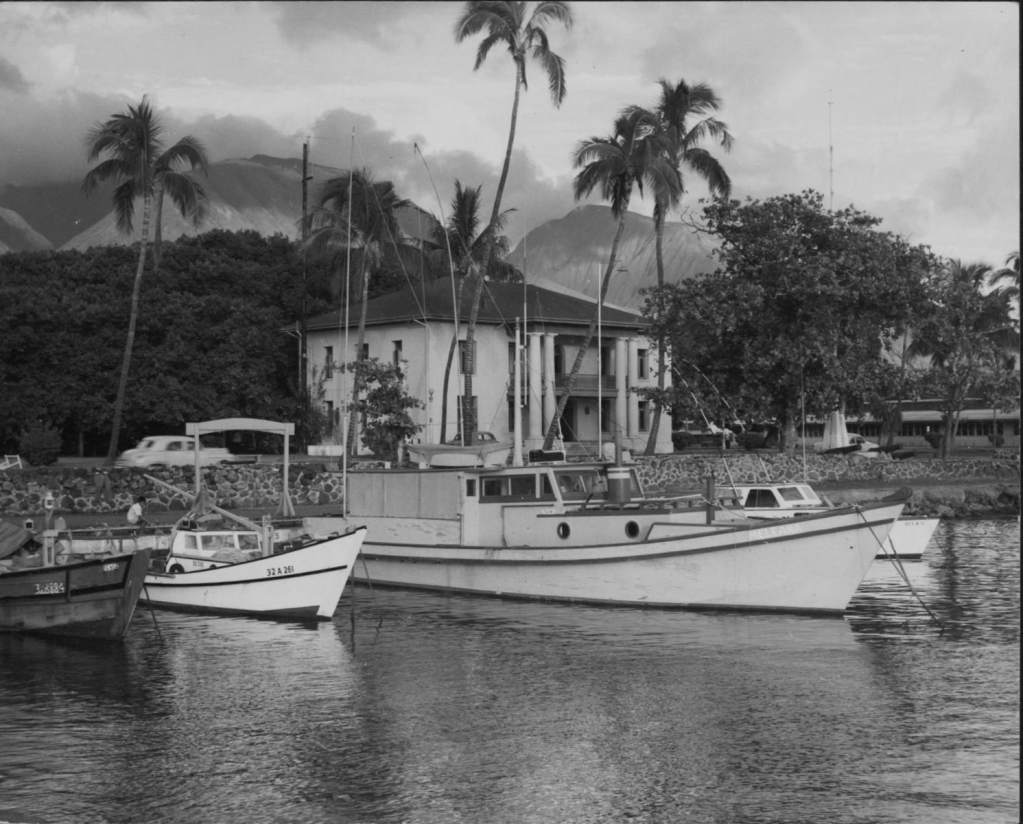
Fig. 7 Lahaina, Maui; Hawaii State Archives
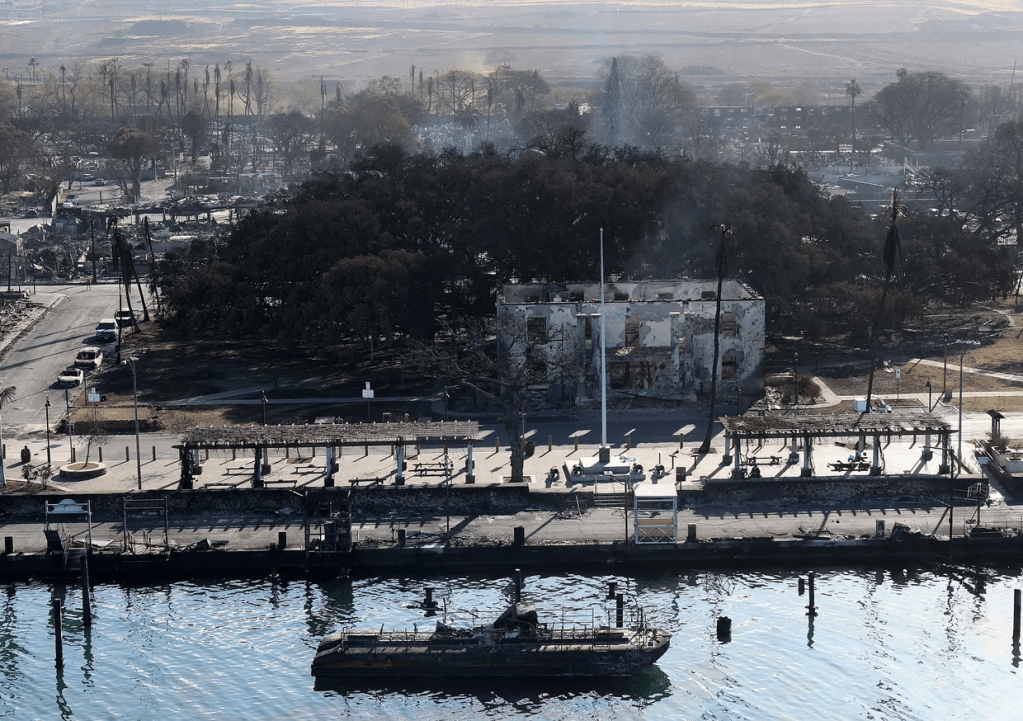
Fig. 8 Aftermath of 2023 Lahaina Wildfires; Getty Images, 11 August 2023
Just this year, the island of O‘ahu experienced devastating floods, with the North Shore being one of the most impacted areas. This catastrophic flooding was not merely a natural event, but a disaster exacerbated by the neglect of former plantation irrigation ditches and complex waterways. As the agricultural industry declined and plantations closed down, the responsibility for maintaining this essential infrastructure became ambiguous and ultimately neglected. Neither the parent corporations, which profited for decades from the land and its engineered water systems, nor the local government took on the responsibility of inspecting and maintaining these systems, or the responsibility of the blame (Heaton, Lovell, and Thompson 2026).
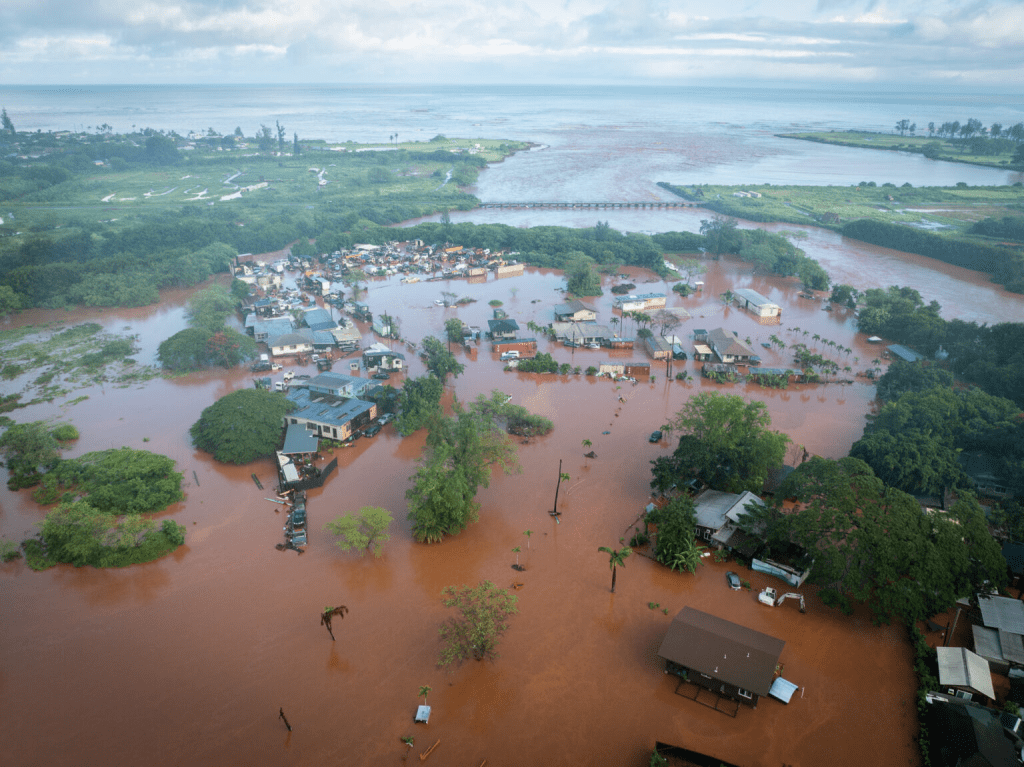
Fig. 9 Flooding on O‘ahu’s North Shore; Civil Beat, March 2026
Conclusion
The history of Hawai‘i, when stripped of the “tropical paradise” façade, reveals a narrative profoundly defined by the enduring, multifaceted legacy of plantation agriculture. Far from a simple economic chapter, the rise of sugar and pineapple plantations was the foundational force that politically, socially, culturally, and ecologically restructured the islands. This analysis demonstrates that the plantation system was the engine of colonial project that continues to shape contemporary Hawai‘i long after the last sugar mill closed.
The most direct and visible impact lies in the political sphere. The economic power amassed by plantation elites through foreign capital directly led to the erosion of Native Hawaiian sovereignty, culminating in the illegal overthrow of the Hawaiian Kingdom in 1893 and eventual annexation in 1959. Today, the descendants of this powerful corporate class often retain significant influence, creating a persistent socioeconomic hierarchy that is rooted in historical land seizures and the exploitation of labor.
Equally transformative was the plantation system’s effect on Hawai‘i’s demographics and social structure. The demand for cheap, extensive labor led to waves of immigration from Asia, Europe, and Latin America. Plantation owners intentionally enforced a rigid racial hierarchy, utilizing segregation and occupational competition to prevent labor solidarity and rebellion. While this system was designed to divide and control, the unintended consequence was the forging of Hawai‘i’s unique, multicultural society and local culture. The development of Hawaiian pidgin is a perfect illustration of this, as it is a dynamic creole born from the necessity of communication between diverse labor groups that has evolved into a powerful symbol of local identity. This history has also imprinted specific racial tensions and hierarchies that still influence social relations, particularly in how ethnic identity is defined and emphasized outside of the pan-ethnic categories common in the continental United States.
Furthermore, the plantations were central to the creation and commodification of the “paradise” image that is now the state’s dominant economic driver. Through pervasive advertising, agricultural corporations sanitized the realities of exploitation and political upheaval, promoting an aesthetic of sunshine, hospitality, and exoticism. This engineered image laid the entire groundwork for the modern tourism industry. The subsequent appropriation of Native Hawaiian culture has not only dehumanized the community but has created a contemporary form of economic pressure. For many Native Hawaiians, the necessity of financial survival forces a prioritization of the tourism economy, relegating the critical demand for decolonization and reform to a secondary concern, thus perpetuating their cultural and economic marginalization.
Finally, the legacies of plantation agriculture are physically embedded in the landscape. The shift from sustainable indigenous practices like the ahupuaʻa system to large-scale monoculture farming necessitated the systematic destruction of native forests and the massive diversion of water resources. This environmental disruption has created vulnerabilities that manifest in modern ecological disasters. The catastrophic 2023 Lahaina wildfires and the recent flooding on Oʻahu were direct results of landscape engineering done for plantations and farms. The collapse of the plantation economy did not erase the infrastructure or the damage it caused, it merely shifted the burden of its maintenance, the risk of its failure, and the subsequent blame onto the broader community.
To understand modern Hawai‘i is to understand its plantation history. It is the core lens through which to view concentrated land ownership, socioeconomic structures, ongoing struggles for sovereignty, the development of local multicultural identity, the pervasive power of the tourism industry, and the increasing environmental fragility of the islands. The history of plantations in Hawai‘i has resulted in a complex environmental history and has had very real, and very dangerous, effects in the modern day.


Leave a Reply